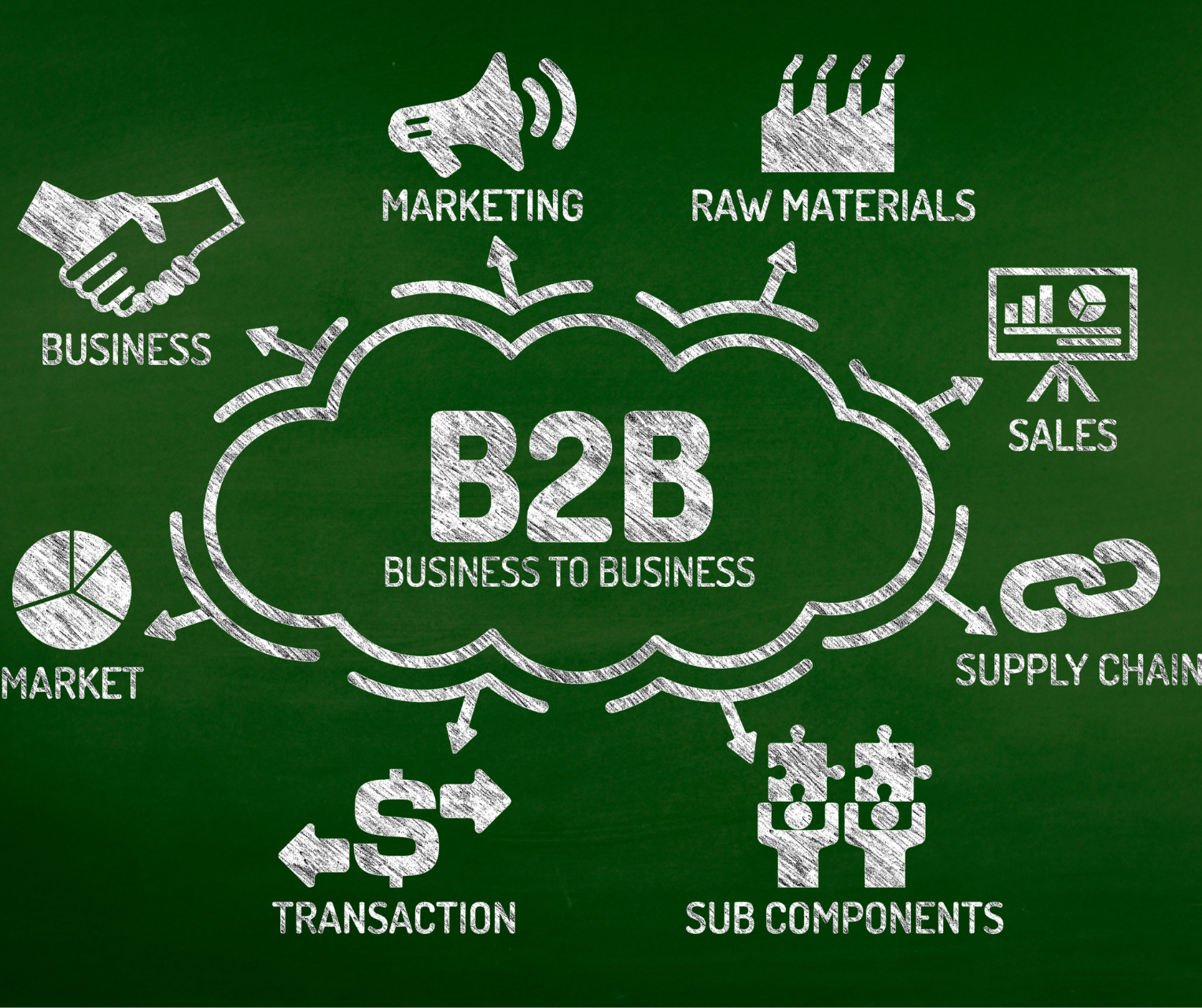
Marketing B2B software (Business-to-Business) is a complex process requiring thoughtful strategies, detailed audience insights, and the ability to adapt to an evolving digital landscape. Unlike B2C (Business-to-Consumer) marketing, B2B software campaigns involve longer sales cycles, multiple stakeholders, and a strong emphasis on demonstrating measurable value.
To successfully market B2B software, businesses must prioritize five essential areas: understanding their audience, highlighting a unique value proposition (UVP), leveraging multi-channel marketing, focusing on lead generation and nurturing, and building trust through social proof and analytics. These five points not only enhance marketing effectiveness but also position the software as a must-have solution for potential clients.
1. Understand Your Target Audience
Understanding B2B Buyers
Effective B2B software marketing starts with knowing your target, especially when it comes to meeting the particular requirements of business customers. Multiple stakeholders are involved in B2B transactions, in contrast to B2C, where choices are frequently made by individuals. In order to customize your messaging, it is essential to identify software decision-makers, such as procurement officials, CTOs, or IT managers.
Every decision-maker has different pain points. For example, CFOs prioritize cost-effectiveness and return on investment, while IT managers value compatibility and simplicity of integration. Finding these priorities and adjusting your marketing strategy accordingly may be accomplished with the use of SaaS audience analysis. You may do a thorough audience analysis and develop tactics that precisely address their demands by utilizing SmallCog Marketing buyer insights.
A tried-and-true method of improving your marketing strategy is to develop thorough customer profiles. You may map out your potential buyers’ demographics, objectives, and difficulties by learning how to create buyer personas for B2B software. Examine IT decision-making procedures, such as assessing software scalability or compatibility, to properly customize your content.
Targeted marketing are guided by these personalities, which guarantee that your messages are understood by certain stakeholders. Building trust and increasing conversions, you will offer your product as the best answer to their business problems by analyzing your audience and developing customized B2B tactics.
2. Highlight Your Unique Value Proposition (UVP)
Why Differentiation Matters

In a crowded B2B software market, your unique value proposition (UVP) is what sets your product apart and convinces buyers that it’s the best choice for their needs. Crafting a compelling UVP begins with identifying the specific problems your software solves and clearly communicating the benefits it provides.
For instance, instead of highlighting a generic feature like “cloud storage,” focus on outcomes such as “streamline collaboration across global teams with secure, real-time data access.” Strong software value messaging directly addresses buyer pain points while emphasizing competitive SaaS advantages like improved efficiency or cost savings. Leveraging SmallCog Marketing UVP insights, you can refine your positioning to resonate deeply with decision-makers and stakeholders.
To stand out, focus on actionable differentiation that matters most to your target audience. Use examples of measurable success, such as customer testimonials or case studies, to showcase how to craft a UVP for B2B software that demonstrates real impact. Highlight examples of effective SaaS UVPs, like increased productivity or reduced operational costs, to build credibility. By personalizing your messaging and focusing on tangible results, you can define your UVP and effectively stand out in the SaaS market, capturing buyer attention and trust.Top of Form
3. Leverage Multi-Channel Marketing

The Power of Multi-Channel Marketing
The power of multi-channel marketing lies in its ability to connect with B2B buyers across multiple touchpoints, ensuring your software remains visible and relevant throughout the buyer’s journey. By leveraging a combination of digital channels for B2B—such as LinkedIn, Google Ads, and email campaigns—you can engage decision-makers where they are most active.
Effective software advertising strategies include integrating content marketing with paid ads, webinars, and SEO to create a cohesive presence across platforms. For example, a LinkedIn campaign targeting IT managers can drive traffic to a blog on your website, while email campaigns nurture leads with personalized insights.
To succeed, focus on how to create a multi-channel SaaS marketing strategy that balances organic and paid efforts while aligning messaging across platforms. Utilizing SaaS marketing platforms like HubSpot or Marketo enables automation and better audience segmentation, optimizing your outreach. Incorporate SmallCog Marketing multi-channel insights to identify the best channels for targeting your audience effectively.
By following best practices for Marketing B2B software , such as consistent branding and data-driven adjustments, you can reach a wider audience and drive engagement. Use multi-channel marketing to reach decision-makers online and expand your software’s visibility, positioning your product as the top choice in a competitive marketplace.
Key Channels for B2B Software Marketing
- SEO and Content Marketing: Optimize your website for keywords like “best CRM software for small businesses” or “top SaaS solutions for IT teams.” Publish blogs, whitepapers, and case studies that educate your audience.
- LinkedIn and Google Ads: Use LinkedIn Ads to target decision-makers and Google Ads for specific intent-based searches.
- Email Campaigns: Personalize your messaging based on user behavior, such as downloading a resource or attending a webinar.
- Social Media: Share thought leadership content on platforms like Twitter and LinkedIn to position yourself as an expert.
Action Plan:
- Combine organic efforts, like SEO, with paid campaigns for maximum reach.
- Monitor engagement metrics on each platform to refine your approach.
For example, a SaaS company targeting CFOs can create a LinkedIn campaign showcasing a whitepaper on reducing operational costs, driving high-value leads to their website.
4. Focus on Lead Generation and Nurturing

Building and Nurturing High-Quality Leads
Building and nurturing high-quality leads is essential for any SaaS business aiming to sustain long-term growth. Effective SaaS lead generation begins with identifying and attracting high-value prospects who align with your target audience. Using lead magnets such as free trials, eBooks, and exclusive webinars can effectively draw potential customers into your pipeline.
Once you’ve captured leads, employing structured marketing funnels for software ensures prospects move seamlessly through the awareness, consideration, and decision stages. For example, you can use email campaigns to educate leads about your software’s features and benefits, keeping your solution top-of-mind. Leveraging SmallCog Marketing lead generation strategies can help you refine your funnel and boost overall conversion rates.
Once leads are in your funnel, nurturing B2B software leads becomes the priority. Personalized follow-ups using lead nurturing automation tools like HubSpot or Marketo ensure timely and relevant interactions with prospects. By segmenting leads based on their engagement levels, interests, or behavior, you can deliver content tailored to their specific needs.
For instance, a lead who attended a webinar on automation might receive follow-up emails featuring case studies of how automation reduced costs for similar businesses. These tactics demonstrate best practices for SaaS lead nurturing while building a relationship of trust and value with potential clients.
To successfully convert leads into customers, businesses must focus on strategies that attract high-value leads and nurture prospects effectively. Tools like drip campaigns, targeted retargeting ads, and dynamic content can further enhance engagement throughout the funnel. Sharing insights on how to generate and nurture B2B software leads through educational content like blogs or whitepapers reinforces your position as an industry expert.
5. Build Trust with Social Proof and Analytics

Establishing Credibility Through Data and Testimonials
Establishing credibility is a cornerstone of success in B2B software marketing, and social proof for SaaS plays a pivotal role in building trust with potential buyers. Businesses rely on tangible evidence to evaluate software solutions, making case studies for B2B and testimonials invaluable assets.
By showcasing real-world examples of how your software has delivered measurable results, you not only demonstrate value but also create a sense of reliability Building trust in software marketing may be difficult at first but you will recognize its worth in time.
For instance, a case study detailing how a client reduced operational costs using your product can effectively illustrate your expertise. SmallCog Marketing trust-building strategies emphasize integrating customer reviews, testimonials, and success stories across all marketing channels to showcase your success.
Using B2B software analytics further bolsters trust by offering concrete data that validates your claims. Providing dashboards or reports highlighting metrics such as ROI or efficiency gains allows prospects to visualize the potential impact of your software. For example, sharing examples of analytics in SaaS marketing, like a client’s 25% improvement in productivity, reinforces your solution’s value. When combined with compelling testimonials, these efforts demonstrate how social proof drives B2B software sales. By leveraging data and showcasing your success stories strategically, you position your brand as trustworthy and credible, making it easier to build credibility in software sales and convert leads into loyal customers.
Marketing B2B software requires a strategic, multi-faceted approach to capture attention, build trust, and drive conversions. By deeply understanding your target audience, crafting a strong UVP, leveraging multi-channel strategies, focusing on lead generation, and showcasing social proof, you can position your software as a market leader.
We are aware of your hectic schedule. To give you a taste of what it’s like to have someone else write your sales letter, we will create it free for you! Let us know what your current digital marketing difficulties are by sending us an email at lynn.whitney@smallcogmarketing.com.


Leave a Reply